
The distributed journalist
As social media platform usage fragmentation accelerates - an opportunity or a threat for journalists trying to find stories and get eyes on their stories?

Good evening,
A slightly later than usual digest and a different one too, as I wanted to reflect on an excellent talk I heard from Eddie Caldas who is one of the editors at LinkedIn.
He was speaking as part of the new 15x15 Connectors Coffee sessions as part of the University of Lancashire’s journalism leadership and innovation programme - the aim is quickfire insights and takeaways from those in and around the media right now. See more from Francois Nel here on the idea and forthcoming sessions too.
Eddie’s talk is well worth hearing from anyone trying to source and promote their news stories and it got me thinking about the ever-changing platform landscape for journalists in 2026.
It has been ever thus that where journalists find stories has been varied, from old-fashioned contact building, anonymous tip-offs and more, but there’s also a goldmine of stories and contacts waiting to be discovered on the likes of LinkedIn.
The fracturing of the social media landscape presents, I think, an opportunity for journalists. The previous dominance of X and Facebook, in the UK anyway, meant story-sourcing often saw many journalists all beating a path to the same door.
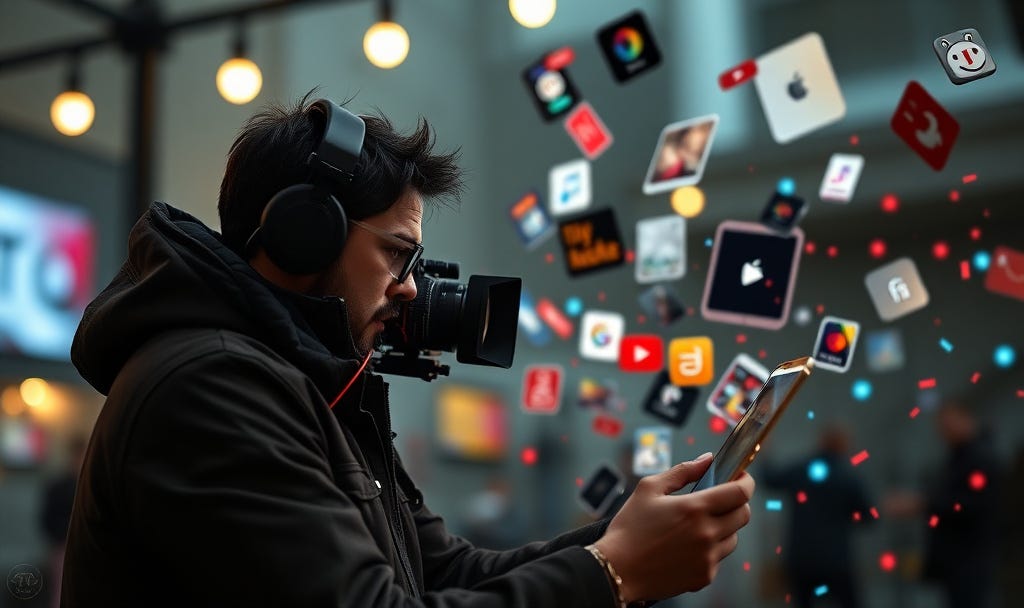
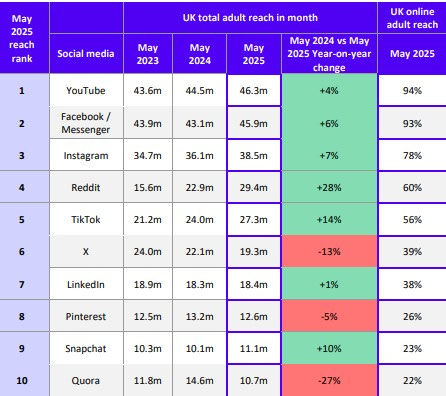
But as the usage of social platforms has splintered, with strong growth from LinkedIn, Reddit, Instagram, TikTok, Bluesky and others - it means we’re in the age of the distributed journalist. Not just for where they are posting about their stories but also where they are sourcing stories. The latest Ofcom Online Nation report highlighted just how much the spread of usage across different social channels had become.
Zoe Kleinman, tech editor at the BBC, was highlighted as an example of a journalist giving far more than they take from the likes of LinkedIn and Instagram - giving insights beyond the news headlines.
And that’s key, being a ‘lurker’ in Facebook groups, Reddit threads isn’t enough in 2026 - communities quickly see through this and won’t trust or engage going forward. For Reddit in particular I’ve mentioned this previously in excellent guides from Dan Russell and Rachel Duffy about how to engage on the platform.
The opportunity for journalists is with the explosion in more and more platforms and creators is different, diverse, stories have an opportunity to bubble up. And as increasingly press releases/story tips become questionable - see the recent Press Gazette investigation - and individual figures and organisations start to break news on platforms like LinkedIn - so does being active and present across a plethora of platforms become increasingly important.
There are excellent monitoring tools - such as the likes of NewsWhip that can help make sense of the noise and filter - but starting to build connections within the communities themselves is the best filtering. Relying on signals such as ‘reaching a certain volume of comments/interactions’ means a journalist can often find something has trended and got its legs on before it is spotted. Having a community which says ‘have you seen this?’ before that moment happens is when a story can really have an edge.
To do this, comes full circle back to one of the many good points Eddie made during his talk - you need to be yourself on the platforms and lift the cover on some of the stories worked on, going beyond a one-liner and giving some insight.
I’d also add answering questions, it’s one of the things we try to do on Blog Preston consistently for our community. Why is this like this? What’s being done about that? For local journalists that’s a great edge and angle, we have the ability to find out and validate answers to questions in a way that the vast majority of the public (and AI bots) can’t.
But the above can also feel overwhelming and exhausting too, being active across multiple channels takes time. Better to just be great on one? Or have a presence everywhere to give the opportunity for conversation?
I don’t have the answer on that but I’d be really interested to hear what you think and your approach to different social platforms when it comes to story-sourcing and also distributing your stories.
Hope you’ve enjoyed a slightly different take on the digest today - back to the usual format next week of three interesting things.
Have a great rest of the week.
Keep going.
Ed